
Sebrae's ecosystem
Brazil's largest small-business support institution, rebuilt as one ecosystem: an app repositioned as a personal business assistant for 743K active users, a unified portal with 2.5M service interactions a month, and a design system that cut 130 color values to 30.
Project context
- Client
- Sebrae, Brazil's largest small-business support institution (US$910M annual budget), served through VPT, a Publicis Groupe agency.
- Segment
- GovTech · a digital ecosystem of app, portal, e-commerce and relationship channels.
- Stage
- An established public-sector institution reformulating a legacy ecosystem.
- Business model
- B2B2C. Sebrae funds and operates the ecosystem, which serves millions of individual and micro-entrepreneurs.
- Target audience
- Brazilian entrepreneurs at every stage, from people about to open a business to established small companies.
- Role and responsibilities
- Lead Product Designer. Technical leadership of 3 designers, owning the design system, the portal and the app, in close collaboration with engineering on Adobe AEM and React.
- Team
- A cross-functional agency team (product, design, design ops, engineering, data science and QA) working with Sebrae's product and content teams.
- Period
- May 2025 to September 2026.
Challenge
Sebrae's digital presence had grown channel by channel, with no shared language between them.
Design system
No common visual language and no contract between design and development: 130 color values, 10 font sizes, and handoffs that reopened decisions already made.
Portal
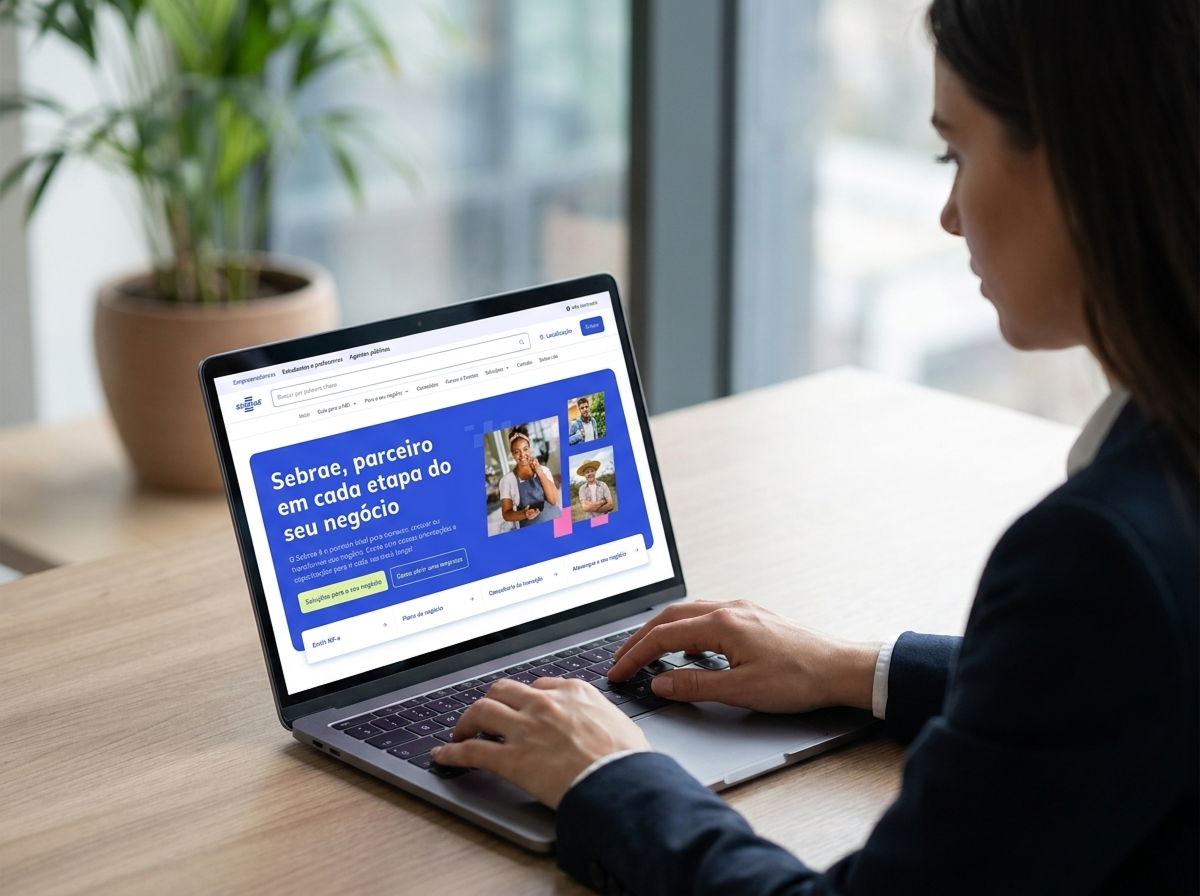
A separate website for each state, each with its own visual identity, causing cognitive overload and low engagement.
App
Heavy overlap with the portal, a 60% uninstall rate on almost 1M downloads, and 36% of Nielsen's heuristic criteria failed.
Key actions
One design system for every channel
A lean token architecture checked against APCA contrast (WCAG 3.0), a color taxonomy built with Data Science and Content Design, and AI-powered tools that speed up token mapping, type-scale testing and component research.
One portal instead of many sites
The state websites unified into a single portal with state-level subsites on Adobe AEM, built on a content-block template that the client team manages on its own.
An app with a clear reason to exist
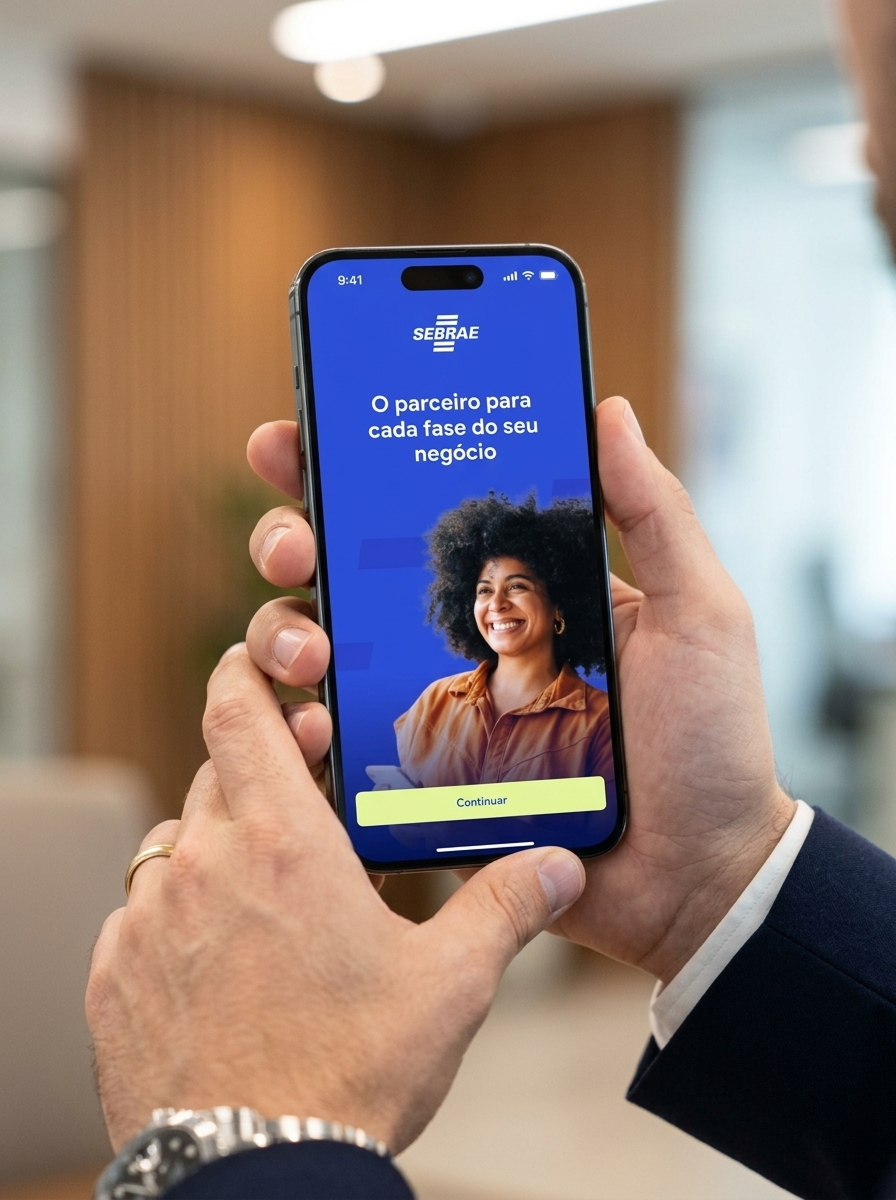
Repositioned as a personal business assistant, personalized by who the entrepreneur is and where they are in their journey, with content already covered by the portal retired based on usage data.
AI and incremental delivery
AI across research, strategy and interface iteration, and releases in small steps, each use case validated for experience, data and personalization before going live.
Impact
- 743K
- active app users in 2025
- 3.9M
- app service interactions in 2025
- 2.5M
- portal service interactions a month since the early-2026 launch
- 130 → 30
- color values, mapped to about 200 element tokens instead of 10,000+ component tokens
- 40%
- leaner type scale (10 to 6 sizes)
- 4×
- faster component research
- 82,878
- users reached by the content recommendation engine, one of 5 personalized use cases live
- 2 to 5×
- faster validation with AI across the process